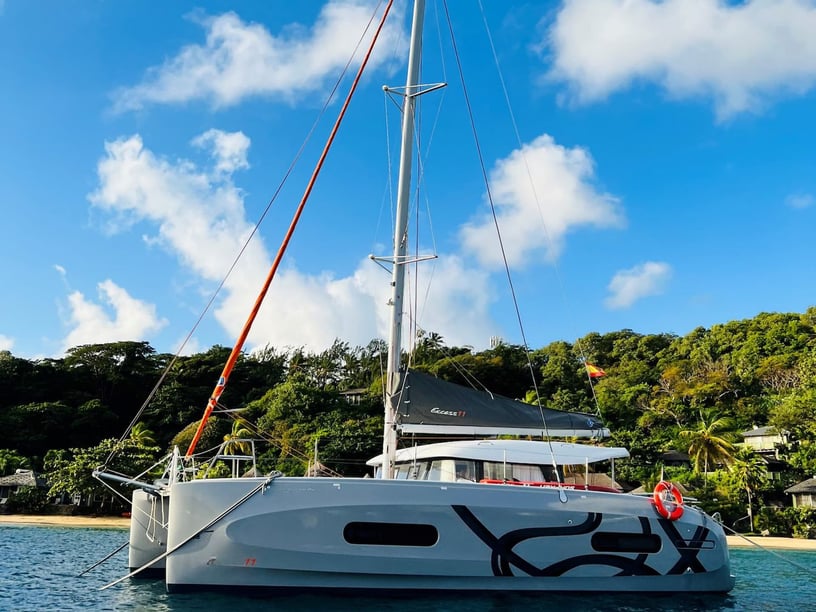
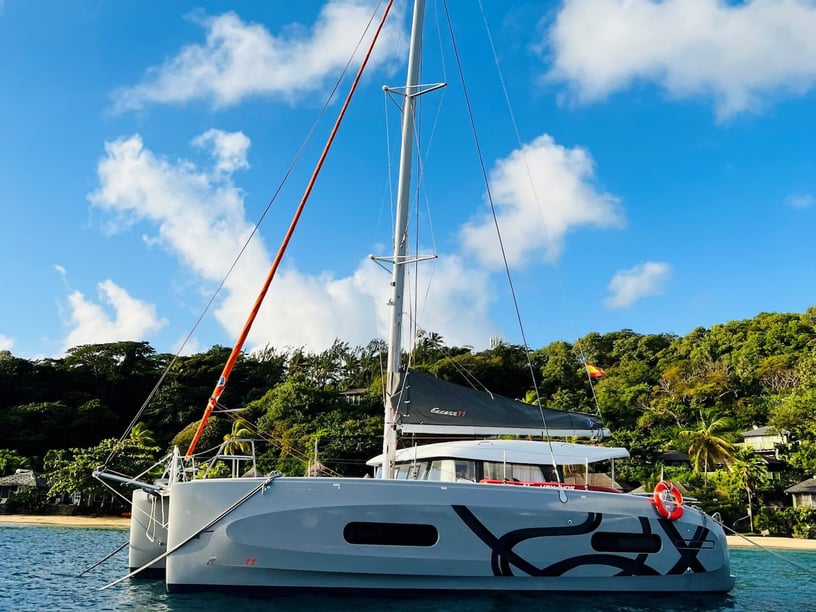
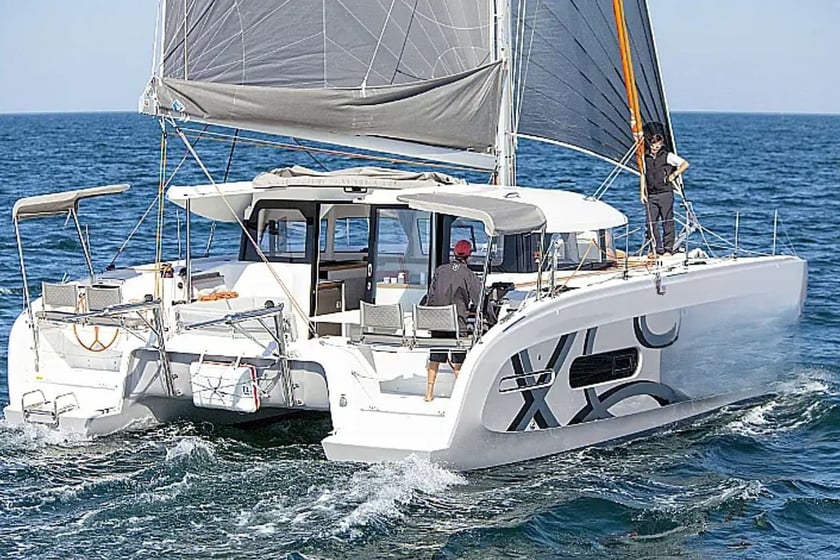
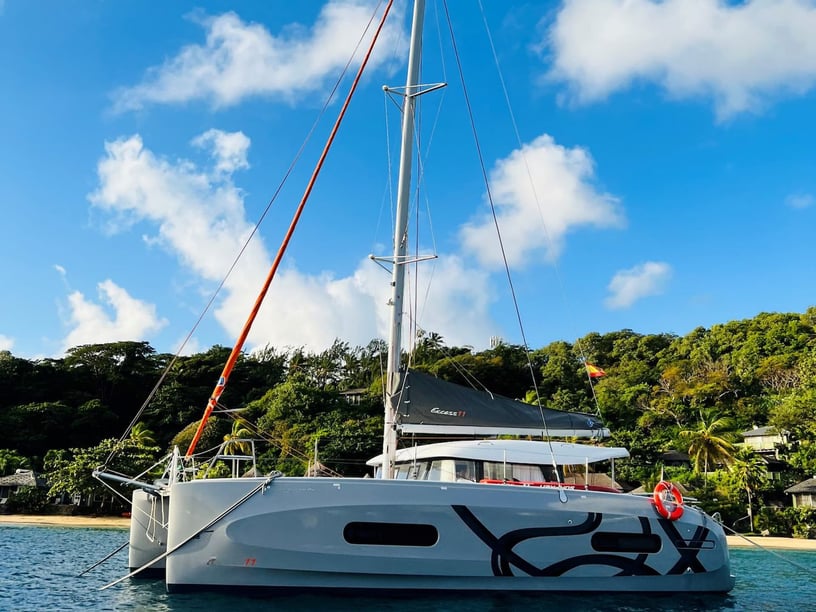
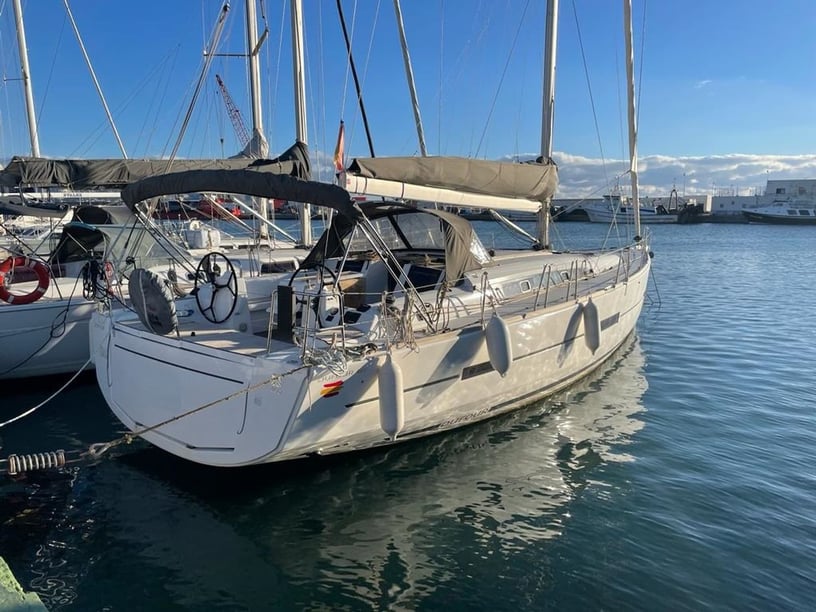
Yacht charter in Dénia
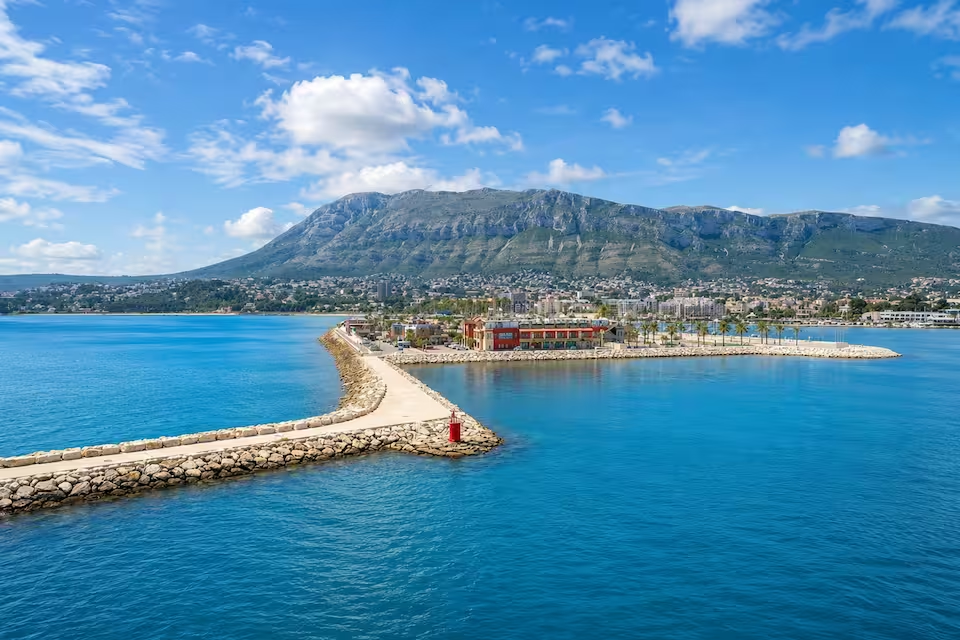
Dénia is a historic port on Spain’s northern Costa Blanca, set beneath Dénia Castle and the Montgó massif. Its large recreational harbor opens onto two contrasting cruising areas: the long sandy coast of Les Marines to the north and the coves, cliffs and protected marine habitats of Les Rotes and Cape San Antonio to the south.
A yacht charter in Dénia can therefore take several forms, from a relaxed coastal outing with swimming stops to a longer passage around the cape or across to the Balearic Islands. The harbor is also within walking distance of the old town and Baix la Mar, making it easy to combine time aboard with Dénia’s maritime history and fishing-linked cuisine. Travelers considering a wider itinerary can also compare yacht charters across Spain.
Coasts, coves and nearby destinations
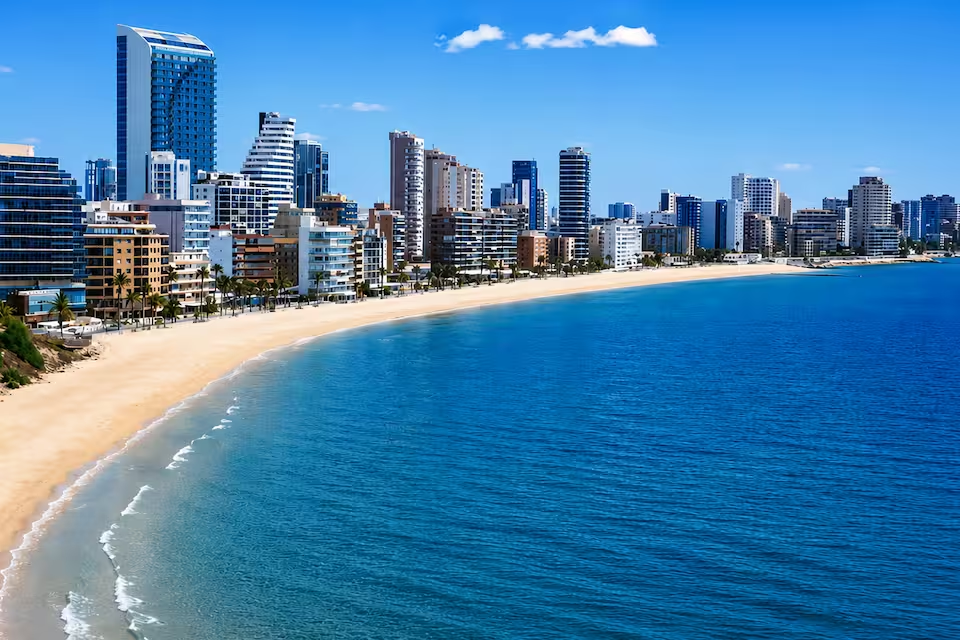
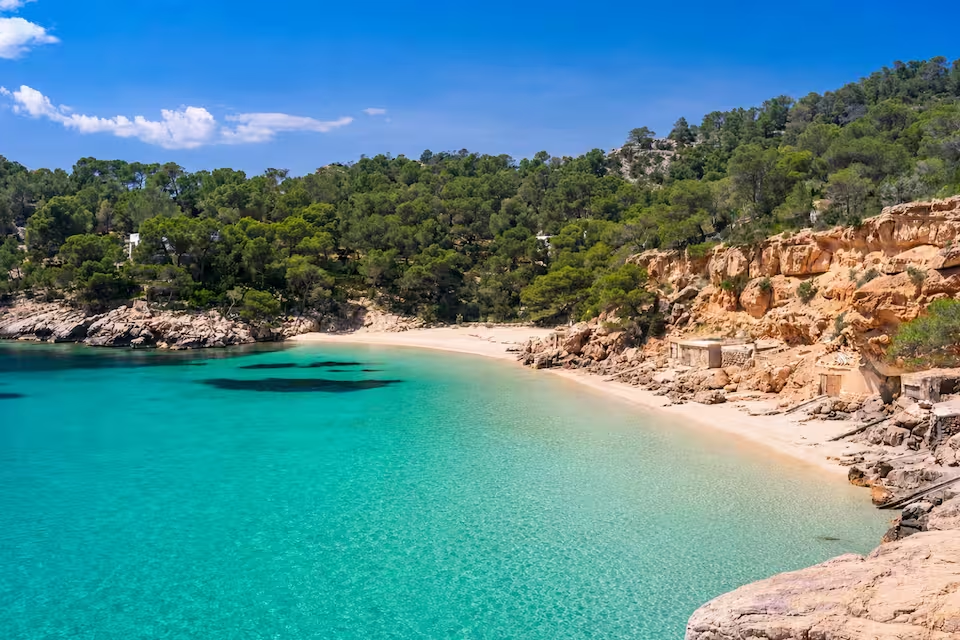
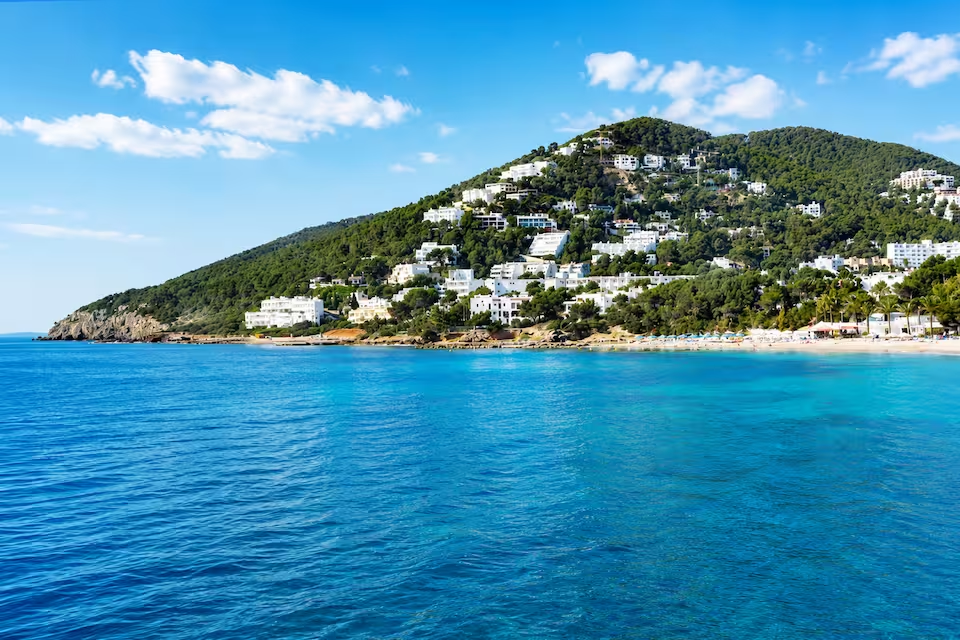
North of the port, Les Marines offers a low, sandy shoreline suited to easy coastal cruising and beach-focused days. Southbound, Marineta Cassiana leads into the rockier landscape of Les Rotes, where coves such as El Trampolí, Punta Negra and Arenetes provide a markedly different setting for swimming and snorkeling.
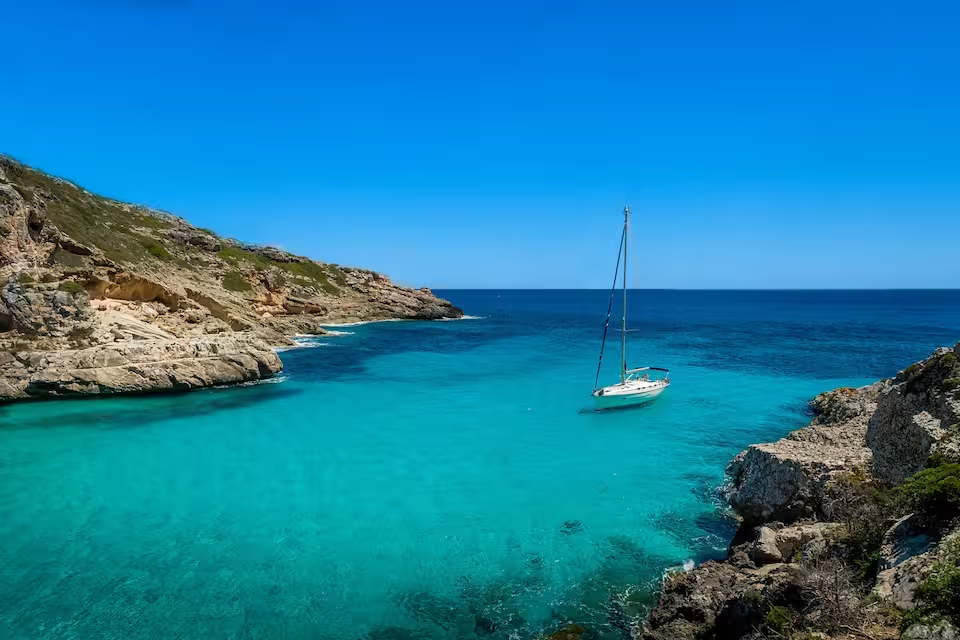
Farther south, Cape San Antonio and its marine-reserve landscape form the natural transition between Dénia and Xàbia. The cliffs and protected Posidonia habitats make this one of the area’s most distinctive stretches, although anchoring and navigation restrictions shape where boats may stop. Xàbia’s harbor can serve as a practical destination when conditions around the exposed cape are suitable.
Ibiza and Formentera lie offshore rather than within the local cruising area. They are relevant to properly prepared multi-day charters, but the crossing is a serious open-sea passage rather than an extension of a short coastal trip.
What cruising around Dénia is like
Dénia’s sheltered, well-serviced port provides a convenient starting point, while the coastline offers clear choices between local cruising and more exposed passages. Staying close to Les Marines or Les Rotes allows more time for swimming and going ashore. Rounding Cape San Antonio introduces greater exposure, and the suitability of the trip can change with the forecast.
Summer is generally hot, dry and mostly clear. Average winds are lighter than in winter, with an easterly tendency and daytime sea-breeze development. Winds are stronger on average from late autumn through early spring. September and October are wetter than midsummer, so a warm sea does not necessarily mean settled conditions every day.
The approximately 60-nautical-mile passage toward Ibiza or Formentera requires a suitable yacht, offshore safety preparation and a dependable weather window. It should be planned as a different category of charter from local boat rental in Denia.
Best time for a Dénia yacht charter
The principal boating season runs from June through September. June combines active summer conditions with warming water, while July and August sit at the heart of the hot, dry season. Sea temperatures are generally warmest from June through October.
May, June and September are identified as particularly suitable months. May offers comfortable shoulder-season temperatures, although swimming conditions can be less consistent than later in summer. June brings more established summer weather. September retains warm water, but travelers should allow for a greater chance of rain than in midsummer.
April, May and October can suit flexible coastal trips, provided plans can adapt to the forecast. Winter boating is quieter and more weather-dependent, with stronger average winds making careful day selection especially important.
Route ideas from Dénia
A short southern route follows Les Rotes toward the Cova Tallada area and Cape San Antonio. This itinerary emphasizes rocky scenery, snorkeling and the marine-reserve environment, but boats must remain in permitted navigation areas. Motorboats may not enter Cova Tallada, and access can require advance authorization during regulated periods.
A longer coastal run continues around Cape San Antonio to Xàbia. This route links Dénia’s port with another harbor and a cliff-lined section of coast, while requiring closer attention to conditions at the headland.
For an offshore itinerary, Dénia has a direct geographic connection with Ibiza and Formentera. The crossing is about 60 nautical miles and calls for an appropriate vessel, qualified handling, safety equipment and suitable weather rather than a fixed timetable.
Life aboard and ashore
The contrast between Les Marines and Les Rotes gives a charter varied rhythms without requiring a long passage. One outing might focus on sandy beaches, while another follows rocky coves where snorkeling reveals protected marine habitats and Posidonia meadows. Montgó remains a prominent landmark when cruising the southern coast.
Time ashore adds a strong maritime and historical dimension. Dénia developed from the Roman port of Dianium and later became the capital of the medieval Taifa of Daniya. The castle overlooks the harbor, while Baix la Mar preserves the character of a quarter long associated with sailors, warehouses and port commerce. The Museum of the Sea provides further context for the city’s trading and fishing traditions.
Food is closely tied to that working-port identity. Dénia has belonged to UNESCO’s Creative Cities Network for Gastronomy since 2015, making a meal ashore a natural part of the yacht-charter experience rather than a separate excursion.
Getting there and where trips begin
Dénia functions as both a destination and a departure area. Yacht trips may begin from the Port of Dénia, Marina de Dénia, Marina El Portet de Dénia or Real Club Náutico Dénia. The central port complex also handles ferries and fishing vessels, so recreational craft must respect marked channels and harbor instructions.
Alicante–Elche and Valencia are the relevant airports. Road access uses the AP-7 and N-332 corridors, with intercity buses linking Dénia to Alicante, Valencia and nearby coastal towns. Alicante TRAM Line 9 reaches Dénia from Benidorm, while rail travelers arriving from Valencia can continue to Gandia and transfer to a bus. Passenger ferries also connect the port with Ibiza, Formentera and Mallorca.
Planning the right charter
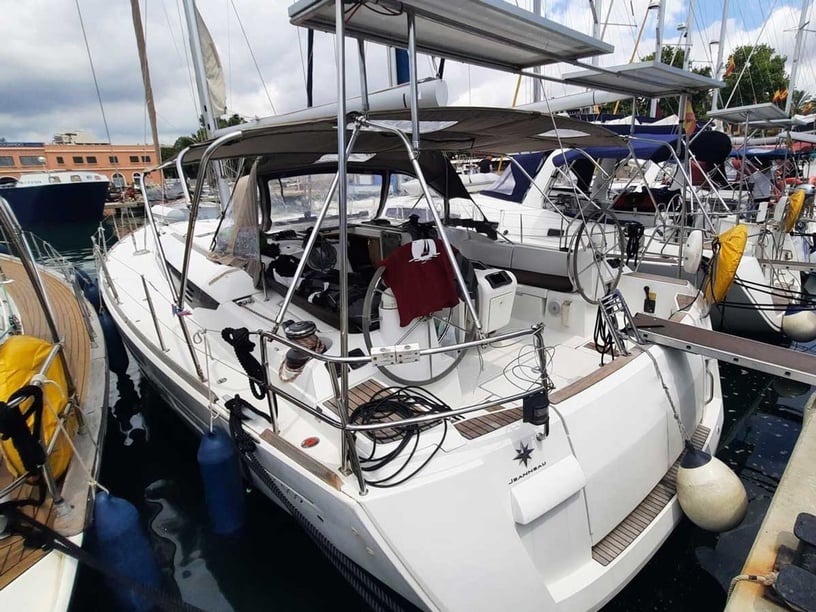
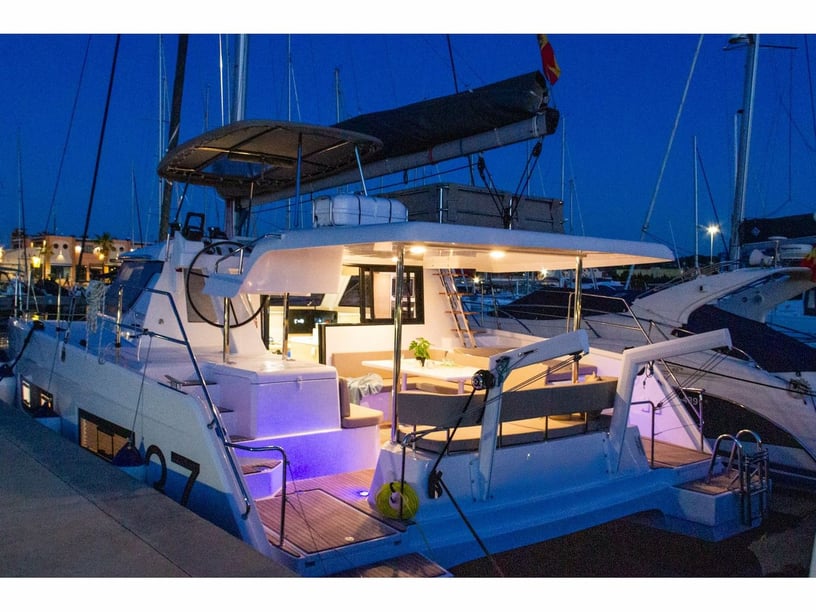
Begin by deciding whether the trip is primarily a local day on the water, a coastal passage around Cape San Antonio or an offshore voyage. This choice affects the appropriate vessel, charter duration, skipper requirements and need for weather flexibility. A boat suited to short swimming stops along Les Rotes should not automatically be treated as suitable for a Balearic crossing.
Protected waters require particular care. Anchoring is prohibited within the Cape San Antonio marine reserves; authorized mooring buoys should be used where available, and the applicable navigation limits include a 6-knot limit in the broader seabed nature reserve. Anchors and chains must not damage Posidonia meadows, while recreational fishing is prohibited in the Marine Reserve of Fishing Interest. Scuba diving there requires prior authorization.
Before departure, confirm the latest reserve rules, any seasonal authorization needed for Cova Tallada and the forecast for exposed sections of the route. Groups comparing Denia boat rental options should also consider how much time they want for swimming, cruising and going ashore, rather than choosing solely by maximum range or speed.